
How Design Shapes Brand Meaning and Recognition
Introduction
In today’s competitive markets, brands are no longer defined solely by the products or services they offer. Instead, what truly distinguishes a brand is the image it creates in its audience’s minds.
One of the most powerful tools for shaping this perception is visual brand identity.
Visual identity represents the visible expression of a brand. Through visual elements such as logos, color systems, typography, imagery, and environmental design, organizations communicate their personality, values, and positioning.
A well-designed visual identity allows a brand to become recognizable, memorable, and trustworthy.
What is Visual Brand Identity?
Visual brand identity is the visual language that represents a brand across all touchpoints.
It is not limited to a logo. Instead, it is a structured system of visual elements that together create a consistent brand image.
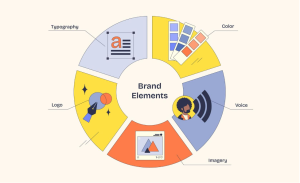
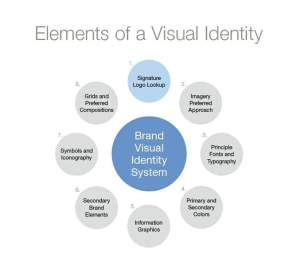
Typical elements of visual identity include:
- Logo and brand symbol
- Color palette
- Typography
- Graphic elements
- Website design
- Advertising materials
- Environmental design
- Staff uniforms
- Product or vehicle design
When these elements are used consistently, they create a coherent visual system that strengthens brand recognition.
Key Elements of Visual Identity
4
The visual identity of a brand is composed of multiple interconnected design components. Each element contributes to how the brand is perceived.
Logo
The logo acts as the primary visual identifier of a brand. It is often the most recognizable symbol associated with an organization.
Color System
Colors play a crucial psychological role in branding. Different colors evoke different emotions and associations.
For example:
- Blue → trust and reliability
- Red → energy and passion
- Green → balance and growth
Typography
Typography shapes the tone of communication. A serif typeface may convey tradition and authority, while a sans-serif typeface often communicates modernity and simplicity.
Semiotics in Visual Design
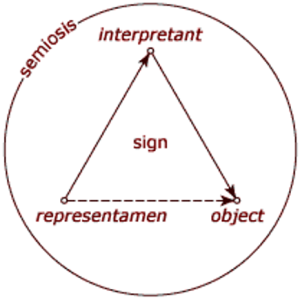

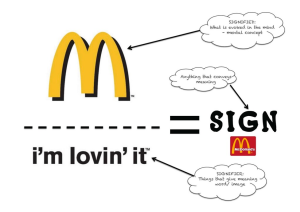
Visual identity is not only aesthetic—it is also a system of signs and meanings.
Semiotics, the study of signs, helps designers understand how visual elements communicate meaning.
Every design element can function as a sign:
- A color may represent an emotion
- A shape may suggest movement or stability
- A symbol may refer to cultural meanings
Through semiotic interpretation, audiences subconsciously interpret visual signals and form impressions about a brand.
This process explains why design plays such an important role in brand perception and emotional engagement.
Visual Identity Across Brand Touchpoints

A strong visual identity must be applied consistently across all brand touchpoints.
These may include:
- websites and digital platforms
- advertising campaigns
- packaging and printed materials
- environmental branding
- corporate stationery
- uniforms and vehicle design
When these elements are aligned, they create a unified brand experience.
Inconsistent use of visual identity, on the other hand, weakens recognition and creates confusion among audiences.
The Strategic Role of Visual Identity
Visual identity is not merely decoration. It plays a strategic role in brand management.
A well-designed identity system can:
- increase brand recognition
- strengthen emotional connection with audiences
- communicate professionalism and credibility
- differentiate the brand from competitors
- Reinforce brand values and positioning
For organizations operating in global markets, visual identity may even function as a cultural representation of the brand.
Conclusion
Visual brand identity is one of the most powerful tools in modern brand strategy. Through the integration of elements such as logos, colors, typography, imagery, and design systems, organizations create a visual language that communicates meaning and builds recognition. Successful visual identity design emerges when design aesthetics, strategic thinking, and cultural meaning are integrated into a coherent system. When applied consistently across all brand touchpoints, visual identity becomes the foundation of a strong and memorable brand presence.